Events and News
I can’t believe that it is the last week of October! Anyone have any fun Halloween plans? I do not this year, though I do enjoy giving out candy and seeing all the costumes. I also imagine there will be a horror movie or two in my future, in celebration of the night!
This week has been jammed with meetings and preparation for the board meeting this Wednesday. We had a foundation board of trustees meeting on Tuesday night and Wednesday night is the regular board meeting. I also had a Pro-D lunch meeting with one of my colleagues and I’m catching up on many projects. I don’t have anything particularly exciting to report but it has been really nice to reconnect with folks on campus throughout the week.
Happy Halloween as well- I’m currently waiting to see the PCC kiddos- highlight of the month!
Here is the monthly President Update– featuring special guest Appa! There are a lot of fantastic events coming up in Nov, so make sure you listen all the way through, so you don’t miss any.
I am really looking forward to the Giving Table event tomorrow! Updates next week! Be well.
Cheers,
Jack
Fall Quarter Updates:
Executive Team (ET) Open Office Time
The Executive Team (ET) is now scheduling and holding virtual open office time via Microsoft Bookings:
Executive Team (ET) Open Office Time.
Accreditation
Find your 2024-25 Program Review here.
- Program Reviews have a new due date structure based on which resources you request; see bottom section of your Program Review for details.
- Right now, please work on updating the “Background” and “Progress on Goals” sections.
- Also, start thinking about Innovation Grant ideas.
Read the October 2024 Learning Outcomes Assessment newsletter.
ctcLink
ctcLink Maintenance: Saturday, November 2, 2024, 6:00 am – 1:00 pm:
- The Campus Solutions (CS) pillar will be unavailable.
- The Portal, Finance (FSCM), and Human Capital Management (HCM) pillars will remain online.
- Admissions (OAAP), HighPoint HCX mobile pages, and Campus CE integration will be unavailable.
- Canvas will not be impacted.
Committee/Council Updates:
- Accreditation Committee
- Learning Outcomes Assessment Committee
- ctcLink Leadership Team
- College Council Updates
- Strategic Planning Budget Council
- Facilities Technology Committee
Enrollments:
- The daily enrollment report is open to all employees.
- The 10th day enrollment report is available to all employees.
Foundation:
The Giving Table Luncheon in support of students and programs at SCC is happening Friday 11/1!
We have 300 folks registered to attend, and we are excited to share a great program with them, including great stories from students and alumni. If you can’t make the event, but want to support the cause, click here!
Huge gratitude to the staff and faculty who have enthusiastically volunteered, offered to speak, and helped in a million other ways – Thank you, your help will impact students!
Human Resources:
Upcoming Holidays – Don’t forget to update your unit and personal messaging!
- Nov 11th (Veterans Day), November 28th (Thanksgiving), November 29th (Native American Heritage Day), December 25th (Christmas)
2024 Winter Campus Closure
- Reminder – College will be closed with no services available during the week of December 23 – 27, 2024.
Classified Comp Time Accrual
- Don’t forget to complete your comp time accrual by November 30th for your use across the 2024 Winter Campus Closure (Dec 23-27, 2024)
Employee Badges, Business Cards, and Name Plates
- Please use this link to order badges, business cares, and name plates: https://forms.office.com/r/888EUJivCT
- Department budget must be included!
Benefits Open Enrollment: 10/28/2024 – 11/25/2024
- Changes made take effect January 2025 forward.
- All employees will need to pick a Vision Plan this year.
- Check out the HCA website for details.
Payroll Reminders
- Leave Reports are due: Wednesday, 10/30 at noon by employee and 5pm by supervisor.
- Timesheets are due: Thursday 10/31 at noon by employee and 5pm by supervisor
Payroll questions? Join us online, Tuesdays from 3:00pm to 4:00pm.
New Employees
Please join us in welcoming the following new employees to Shoreline Community College:
- Jennifer Nelson – Secretary Senior for BCSS
New Job Postings!
Other Hot Postings!
Do you know someone who wants to join our team? Visit: Job Opportunities at Shoreline Community College.
Events and Updates
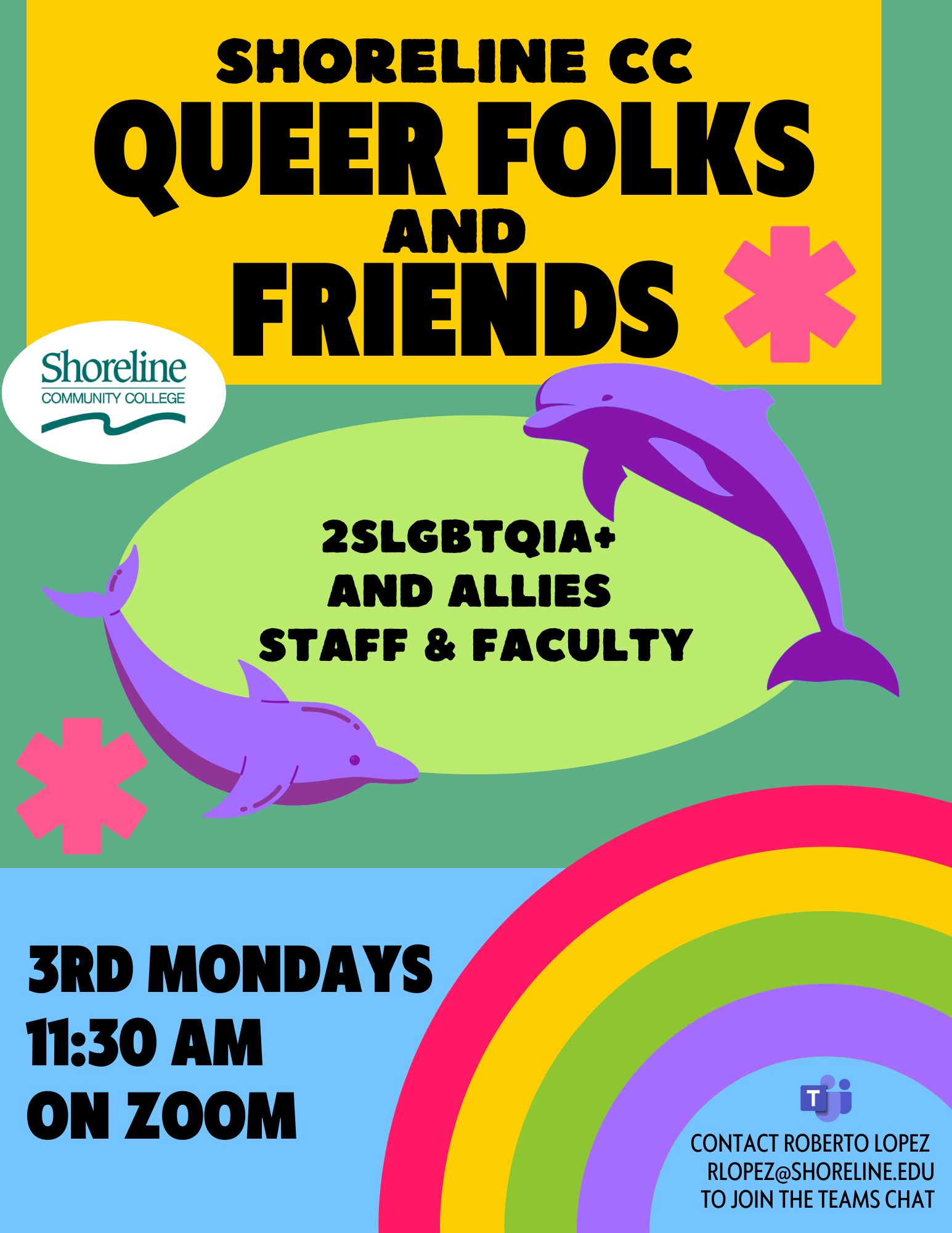
- Queer Folks and Friends- Third Monday of the Month Starting 11/18/24
- 2nd Annual Soupsgiving Event 11/21/24
- Important Open Enrollment Information
- Join Us for I-BEST Training Saturday 11/16/24
- Film Screening- Students and Faculty 11/8/24
- Pickleball Open House 11/1/24
- Día de Los Muertos Event & Paul Strand: The Mexico Portfolio
- Veterans Appreciation Wall- Help Us Honor Our Veterans
- Upcoming Holidays and Delegation Reminders
Follow Shoreline Community College on social media!
Shoreline Community College MISSION – Our Purpose
Shoreline Community College offers accessible, high-quality education and workforce training that empowers students for success. Rooted in our commitment to diversity, equity, and community engagement, we foster an educational environment that contributes to the enrichment of both our local and global communities.

 Day at a Glance
Recent Comments