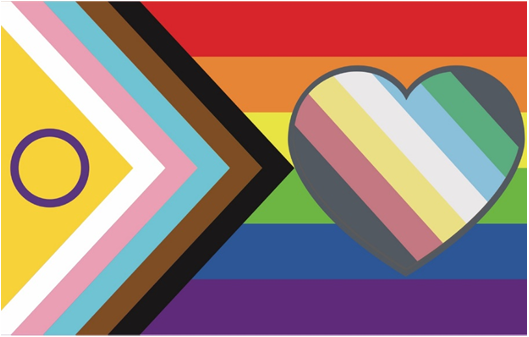
In 1973, homosexuality was officially removed from the Diagnostic and Statistical Manual of Mental Disorders (DSM), marking a historic shift in the medicalization of queer identity. Yet, even after this major milestone—and the later removal of “ego-dystonic homosexuality” in 1987—the queer community has continued to grapple with intersecting systems of oppression.
Today, it’s estimated that 3 to 5 million LGBTQ+ people in the United States live with a disability. Despite the queer community’s history of resilience and mutual support, LGBTQ+ individuals with disabilities still face significant barriers to inclusion, even within LGBTQ+ spaces themselves. Pride events, for example, can be inaccessible due to physical limitations like a lack of ramps, accessible restrooms, reserved seating, or the absence of sign language interpretation. As a result, many queer disabled people are excluded from the very celebrations meant to affirm their identities.
Fortunately, organizations like The Trevor Project are pushing back. They’re working to dismantle ableism and heteronormativity together, recognizing that liberation for one part of the community must include all of us.
The statistics are eye-opening. A study by The Trevor Project found that among LGBTQ+ youth with disabilities:
- 48% had been diagnosed with ADHD
- 32% with a developmental or learning disorder
- 28% with a physical disability
- 72% with a mental health disorder
To put that last number in perspective, the national average of depression among all adults aged 18–25 is 18.6%. The disparity speaks volumes. LGBTQ+ individuals, especially those with disabilities, are more likely to experience discrimination, bullying, and social rejection, all of which contribute to increased rates of depression, anxiety, and other mental health issues.
It’s also important to understand that disability does not determine a person’s gender identity or sexual orientation. Disabled people can be gay, straight, trans, nonbinary, or anywhere else on the gender and sexuality spectrums. Yet, disabled individuals are often infantilized, their identities questioned or dismissed entirely, even in adulthood. This dehumanization deepens the disparagement they face and limits their access to affirming spaces.
The overlapping experiences of ableism and queerphobia lead to compounded challenges in schools, where bullying is more common; in healthcare, where bias can lead to inadequate care; and in the workplace, where discrimination and lack of accommodations contribute to higher unemployment and poverty rates.
These realities highlight a call to action for college campuses, healthcare providers, employers, and LGBTQ+ organizations alike. True inclusion means recognizing and actively removing barriers, not only physical ones but cultural and systemic ones as well. Creating accessible and affirming environments isn’t optional; it’s essential. Shoreline has a unique opportunity to push this conversation forward. When we are organizing events, designing buildings, working on policy, or simply being a better ally, our actions can help shape a world where disabled LGBTQ+ people are not only included, but truly celebrated.
How are we doing?
Please submit feedback about the information that the Accessibility Advisory Committee shares to Miranda Levy via email at mlevy@shoreline.edu so that the committee can review together and serve the campus community better.


 Day at a Glance
Recent Comments